
Muqeem Portal Guide 2026: Streamline Your Saudi Business Operations
In the rapidly evolving digital landscape of Saudi Arabia, the Muqeem Portal stands as a cornerstone for businesses managing their expatriate workforce. Far beyond basic visa processing, Muqeem Portal has become a strategic tool for human resources (HR) and government relations officers (GROs) to ensure compliance, optimize operations, and mitigate risks associated with foreign employee residency and travel.
Muqeem Portal
Secure Enterprise Gateway 2026
New establishment? Join Now
This comprehensive guide delves into the advanced functionalities of Muqeem Portal login , its critical role within the broader Saudi digital ecosystem alongside platforms like Absher and Qiwa, and how businesses can leverage it for unparalleled efficiency in 2026 and beyond.
Understanding Muqeem Portal: Beyond the Basics
The Muqeem Portal is an exclusive digital service provided by the Saudi General Directorate of Passports (Jawazat) for registered establishments. Unlike its individual-focused counterpart, Absher, Muqeem is purpose-built for organizations to manage the entire lifecycle of their expatriate employees, from initial visa issuance to final exit procedures.
Its evolution in 2026 emphasizes deeper integration, enhanced data analytics, and a more proactive approach to compliance. If you need to generate, download, or print official resident and visa reports, check our complete guide on muqeem print.
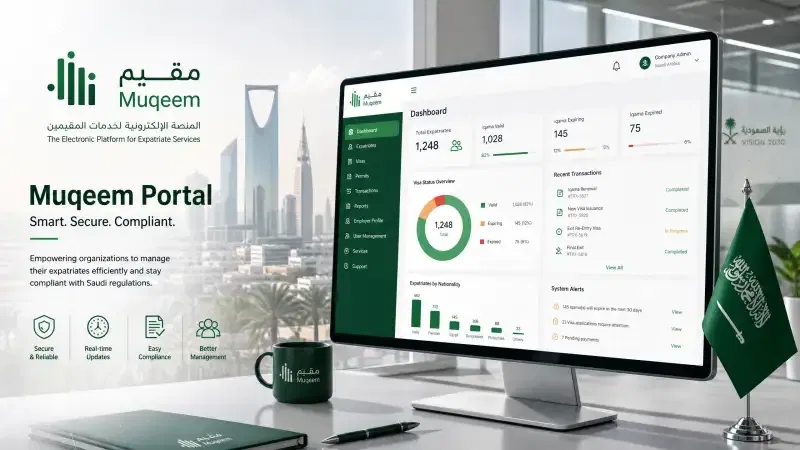
Advanced Features for Modern Businesses
While the previous blog touched upon core services, Muqeem Portal offers sophisticated features crucial for large-scale operations and strategic workforce planning:
Bulk Operations & Automation: For establishments with numerous expatriates, Muqeem Portal facilitates bulk processing of visa renewals, exit/re-entry permits, and Iqama updates, significantly reducing manual workload and potential errors.
Real-time Data Synchronization: The platform ensures instantaneous updates with Jawazat records, providing businesses with the most current status of employee visas, Iqamas, and travel permissions. This real-time access is vital for critical decision-making and audit readiness.
Customizable Reporting & Analytics: Beyond standard reports, Muqeem Portal offers advanced analytical tools that allow HR and management to generate custom reports on workforce demographics, visa expiry trends, compliance adherence rates, and potential areas of risk. These insights are invaluable for strategic planning and resource allocation.
Tawasul Service Integration: The “Tawasul” service within Muqeem Portal enables direct communication with Jawazat for inquiries, issue resolution, and submission of specific requests online, eliminating the need for physical visits and accelerating administrative processes .
Enhanced Security Protocols: With sensitive employee data at stake, Muqeem Portal incorporates robust security measures, including multi-factor authentication and granular access controls, ensuring data integrity and confidentiality.
Strategic Business Advantages
Leveraging Muqeem Portal effectively translates into tangible benefits for businesses operating in Saudi Arabia:
Proactive Compliance Management: By providing real-time alerts for expiring visas and Iqamas, Muqeem Portal enables businesses to act proactively, avoiding penalties and legal complications associated with non-compliance.
Optimized Workforce Mobility: Streamlined visa and exit/re-entry processes ensure that expatriate employees can travel and return efficiently, minimizing disruptions to business operations and project timelines.
Reduced Operational Costs: Automation of routine tasks, reduction in paperwork, and fewer physical visits to government offices lead to significant cost savings in administrative overhead.
Improved HR Efficiency: HR teams can dedicate more time to strategic initiatives rather than administrative burdens, enhancing overall productivity and employee satisfaction.
Data-Driven Decision Making: Access to comprehensive workforce data and analytical reports empowers management to make informed decisions regarding recruitment, retention, and expansion strategies.
Muqeem Portal in the Saudi Digital Ecosystem: A Comparative Analysis
The Saudi government has developed a suite of digital platforms to streamline various services. Understanding the distinct roles of Muqeem Portal, Absher, and Qiwa is crucial for businesses to navigate the regulatory landscape effectively.
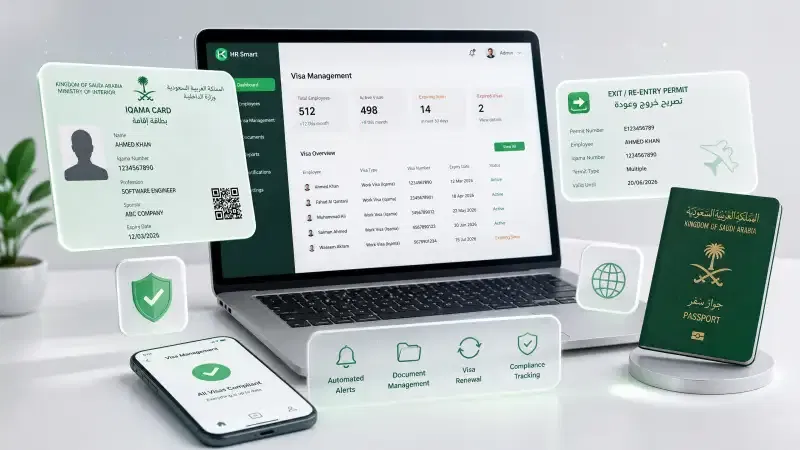
Muqeem Portal vs. Absher vs. Qiwa
While all three platforms contribute to Saudi Arabia’s digital transformation, their target audiences and primary functionalities differ significantly:
| Feature / Platform | Muqeem Portal | Absher | Qiwa |
| Target User | Registered Establishments (Businesses, Employers) | Individual Citizens & Residents | Registered Establishments (Businesses, Employers) |
| Primary Focus | Expatriate Residency & Visa Management | Personal Government Services (Individual-centric) | Labor Law Compliance & Employment Management |
| Key Services | Visa Issuance/Cancellation, Iqama Management, Exit/Re-Entry Permits, Employee Data, Reports, Tawasul | Passport Services, Driving Licenses, Civil Status, Traffic Violations, Hajj/Umrah Permits | Employment Contracts, GOSI Registration, Work Permits, Wage Protection System, Labor Disputes, Saudization |
| Integration | Directly with Jawazat | Various government ministries (individual services) | Ministry of Human Resources and Social Development (MHRSD), GOSI, Muqeem (indirectly) |
| Business Use | Essential for managing foreign workforce immigration and residency compliance. | Used by individual employees for personal government needs. | Critical for managing employment contracts, labor law compliance, and overall workforce relations. |
Complementary Roles for Businesses
For businesses employing expatriates, these platforms are not mutually exclusive but rather complementary:
Muqeem Portal handles the immigration and residency status of foreign employees.
Qiwa manages the employment relationship and ensures adherence to Saudi labor laws, including contract management and GOSI registration .
Absher is used by individual expatriate employees for their personal government transactions, such as renewing their driving license or checking personal traffic violations.
An integrated approach, where HR and GRO teams understand the interplay between these platforms, is key to seamless operations and full compliance.
Maximizing Muqeem Portal for 2026 and Beyond
As Saudi Arabia continues its Vision 2030 initiatives, digital platforms like Muqeem Portal will see continuous enhancements. Staying ahead requires proactive engagement and strategic utilization.

Future Trends and Anticipated Enhancements
Expect Muqeem Portal to evolve with:
Increased AI Integration: Predictive analytics for workforce planning, automated compliance checks, and intelligent recommendations for visa categories.
Enhanced User Experience: More intuitive interfaces, mobile-first design, and personalized dashboards for different user roles.
Broader API Integrations: Seamless connectivity with enterprise resource planning (ERP) systems and HR management systems (HRMS) for automated data exchange.
Expanded Service Offerings: Potential inclusion of additional government services directly within the portal, further centralizing expatriate management.
Best Practices for Advanced Users
To extract maximum value from Muqeem Portal:
Regular Data Audits: Periodically cross-reference Muqeem data with internal HR records to ensure consistency and accuracy, especially for critical dates like visa and Iqama expirations.
Leverage Reporting Tools: Utilize custom reporting features to identify trends, forecast workforce needs, and prepare for upcoming compliance requirements.
Dedicated Training: Ensure all authorized personnel (HR, GROs) receive comprehensive and ongoing training on new features and best practices.
Security Vigilance: Implement strong password policies, enable multi-factor authentication, and regularly review user access permissions to protect sensitive employee data.
Stay Informed: Regularly check official Muqeem and Jawazat announcements for updates, new features, and changes in regulations.
Muqeem Subscription Plans: Which One is Right for You?
Choosing the right subscription is the first step to mastering the portal. Muqeem offers two main tiers designed for different business needs:
1.Muqeem Comprehensive (الشامل): Best for large companies with high employee turnover. It allows for an unlimited number of transactions for a fixed annual fee. If you are constantly renewing visas or issuing exit/re-entry permits, this plan will save you a fortune in the long run.
2.Muqeem Operations (العمليات): Ideal for small to medium enterprises (SMEs) with a stable workforce. You pay a lower annual subscription fee but are charged a small fee per transaction. It’s a cost-effective way to maintain compliance without the high upfront cost of the Comprehensive plan.
Breakdown of Muqeem Service Fees 2026
While the portal is a digital gateway, the government fees (Jawazat fees) still apply. Here is a quick reference for the most common services:
| Service Type | Government Fee (Estimated) | Processing Time |
| Iqama Renewal (1 Year) | SAR 650 (Basic) + SAR 400 (Work Permit) | Instant |
| Exit/Re-Entry Visa (Single) | SAR 200 (for 2 months) | Instant |
| Exit/Re-Entry Visa (Multiple) | SAR 500 (for 3 months) | Instant |
| Final Exit Visa | Free (Conditions apply) | Instant |
| Muqeem Print (Resident Report) | Free via Portal | Instant |
Troubleshooting: How to Fix Common Muqeem Portal Errors
Nothing is more frustrating than a system error when you’re in a hurry. Here are the top issues HR officers face and how to solve them:
- Error: “Employee Not Found”: This usually happens if the Iqama is not yet linked to your establishment in the Jawazat database. Check the employee’s transfer status in the Qiwa portal first.
- Error: “Payment Not Reflected”: If you paid via SADAD but the portal still shows “Unpaid,” wait for 15-30 minutes. If it persists, use the Tawasul service within Muqeem to send a screenshot of the payment receipt to Jawazat.
- Login Issues: Ensure you are using the correct Establishment ID. If you’ve forgotten your password, use the “Forgot?” link, but remember that the reset email goes to the registered email of the primary account holder (usually the business owner or GRO).
Step-by-Step: How to Use Muqeem Print
In 2026, the physical Iqama card is becoming less common. The Muqeem Print (Electronic Resident Report) is now a widely accepted official document. Here is how to get it:
- Log in to your Muqeem account.
- Go to the “Electronic Services” tab.
- Select “Reports” and then “Resident Report.”
- Enter the employee’s Iqama number and click “Generate.”
- Download the PDF and print it. This document contains a QR code that banks and government agencies can scan to verify the resident’s status in real-time.
Frequently Asked Questions (FAQ)
Q: Can I use Muqeem for my domestic workers (driver/housemaid)?
A: No. Muqeem is strictly for commercial establishments. Domestic worker services are managed through the Absher or Musaned platforms.
Q: How long does a visa renewal take to reflect in the system?
A: Almost instantly. Once the payment is processed and you click “Renew,” the new expiry date will show up in both Muqeem and the employee’s Absher account immediately.
Q: Is there a mobile app for Muqeem?
A: Yes, there is an official Muqeem app available for both iOS and Android, allowing GROs to manage basic services like visa extensions on the go.
Conclusion Muqeem Portal
The Muqeem Portal is more than just a transactional platform; it is a strategic asset for businesses operating in Saudi Arabia. By understanding its advanced features, recognizing its distinct role within the Saudi digital ecosystem, and adopting best practices, organizations can achieve unparalleled efficiency in expatriate management, ensure robust compliance, and contribute to the Kingdom’s ambitious digital transformation goals.
For any business employing foreign talent in Saudi Arabia, mastering Muqeem Portal is not just an administrative task—it’s a competitive advantage.