
Saudi Arabia Iqama Rules 2026: Complete Guide for Expats and Employers
Saudi Arabia Iqama rules in 2026 focus on valid residency, timely renewal, and employer compliance. Workers need a valid passport, medical insurance, paid fees, and an active work permit. The profession should also match the work license. Employers usually renew Iqama online through Absher Business or Muqeem. They should also check Qiwa for work permit status and MHRSD updates. Always confirm your case on official portals before payment or travel.
Note: the fees and fines mentioned on this page are widely reported figures, not taken from an official fee schedule. They can change, so confirm the current amount on Absher, Qiwa or Muqeem before you pay.
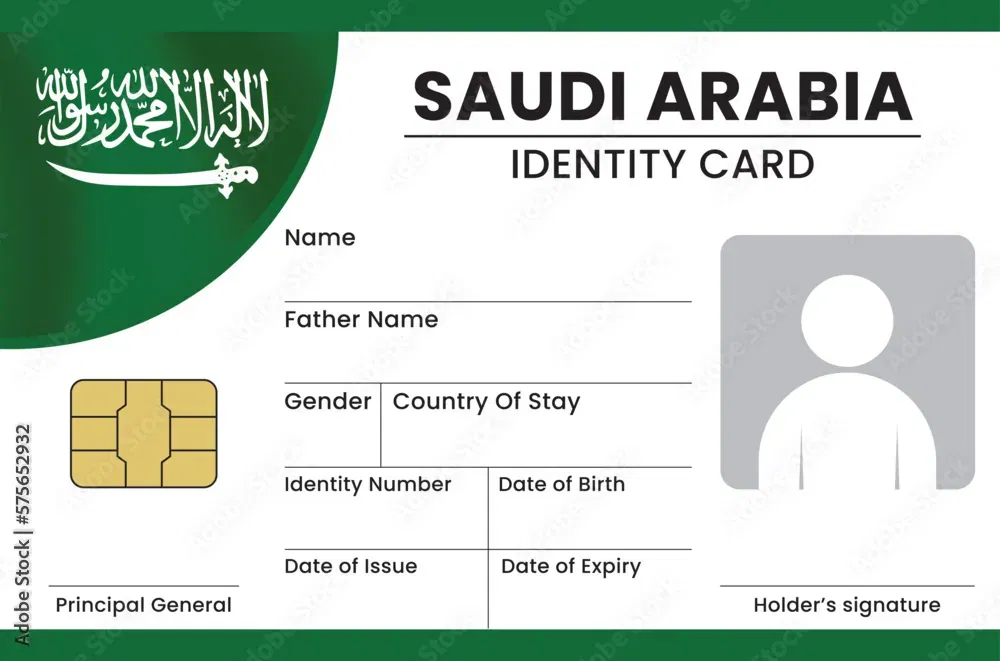
What Is an Iqama in Saudi Arabia?
An Iqama is the Saudi residence permit for foreign workers and eligible family members. Many people also call it the Resident ID. It proves legal expat residency in Saudi Arabia.
Workers need an Iqama after they enter on a Saudi work visa. Family members also need one when a sponsor brings them to Saudi Arabia. The Ministry of Interior and Jawazat connect Iqama services with Absher.
An Iqama matters in daily life. You need it for banking, housing, healthcare, mobile services, travel, and employment records. Employers also use it to manage worker status.
A Saudi work visa lets a worker enter the country. An Iqama proves legal residency after arrival. A work permit gives a foreign worker legal permission to work. MHRSD says non-Saudis need a work permit before they can work.
Premium Residency works differently from a regular Iqama. It gives eligible people a separate residency route. The official Premium Residency Center serves investors, entrepreneurs, talents, property owners, and other approved groups. Check Online Iqama Huroob Status in Saudi Arabia.
What Are the Main Saudi Arabia Iqama Rules in 2026?
Saudi Arabia Iqama rules in 2026 focus on legal status, renewal checks, and employer compliance. Workers should keep their passport, insurance, work permit, and profession records updated.
| Rule Area | What It Means |
|---|---|
| Valid Iqama | Expats must keep residency status active. |
| Valid Passport | The passport must stay valid for renewal. |
| Work Permit | Foreign workers need a valid work license. |
| Medical Insurance | Health insurance forms part of renewal checks. |
| Traffic Violations | Unpaid violations can block renewal. |
| Biometrics | Fingerprint and photo records may apply. |
| Correct Profession | The worker’s profession should match the work license. |
| Employer Responsibility | Employers bear key Iqama and work permit costs. |
Absher lists key renewal conditions for Iqama. These include payment, no unpaid traffic violations, valid passport, medical insurance, valid work permit, and biometric records.
The worker should also avoid absent-from-work status. Absher lists absence status as one renewal condition. Workers should check this through official channels before renewal.
Employers also carry major legal duties. MHRSD says employers bear Iqama renewal fees, work permit fees, delay fines, profession-change fees, and related costs.
What Are the Iqama Renewal Requirements in Saudi Arabia 2026?
Iqama renewal requirements in Saudi Arabia 2026 depend on several checks. Absher checks payment, passport status, insurance, work permit, violations, biometrics, and absence status. Before renewal or travel, check your muqeem visa validity check to confirm your legal status and avoid last-minute issues.
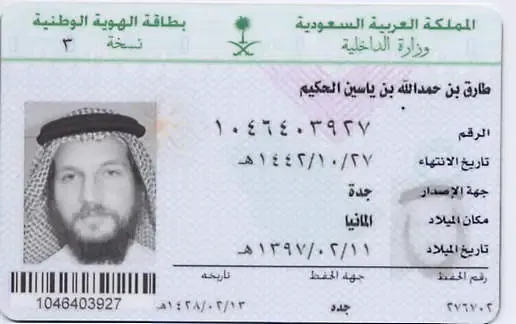
Valid Passport
The passport should stay valid before Iqama renewal. A weak passport status can delay renewal. Workers should check passport records early through their employer or official portals.
Valid Medical Insurance
Medical insurance forms part of the Iqama renewal check. The worker and eligible family members may need active coverage. Absher lists medical insurance as a renewal condition.
Paid Renewal Fees
The required Iqama renewal payment must happen before renewal. Absher lists payment for the selected renewal period as a condition. Always check the final amount through official payment channels.
No Unpaid Traffic Violations
Unpaid traffic violations can block Iqama renewal. Absher lists unpaid traffic violations as a renewal issue. Workers should clear fines before the employer starts renewal.
Valid Work Permit
A worker’s Iqama renewal depends on work permit validity. Absher lists a valid work permit as a renewal condition. Qiwa also reminds employers to renew non-Saudi work permits before expiry.
Fingerprint and Photo in Absher
Absher may require fingerprint and photo records for the worker. Family members may also need biometrics when rules apply. Absher mentions fingerprint and photo records for family members over six years old.
Not Registered as Absent From Work
The worker should not appear as absent from work. People often call this Huroob status. Do not guess this status. Check it through Absher, Qiwa, Jawazat, or your employer before renewal.
How to Renew Iqama in Saudi Arabia Through Absher or Employer Portal
Iqama renewal in Saudi Arabia usually happens through an employer or sponsor. Absher Business lists Iqama Renewal as a service for renewing a worker’s Resident ID online.
- The employer or sponsor logs in to Absher Business, Muqeem, or the relevant portal.
- They select Iqama renewal or Resident ID renewal.
- They check the worker’s name, Iqama number, and job details.
- They confirm passport, insurance, work permit, and violation status.
- They pay the required fees through approved payment channels.
- They submit the renewal request through the portal.
- They confirm the updated Iqama status after approval.
Absher lists several checks before renewal. These include payment, valid passport, insurance, work permit, biometrics, and no unpaid traffic violations.
Workers should not wait until the last day. A passport issue, insurance delay, or work permit problem can block renewal. Employers should check these items early.
Saudi Arabia Work Permit Rules Connected to Iqama
An Iqama does more than prove residency. For foreign workers, it also connects with legal work status.
A worker needs a valid work permit to keep employment records clear. MHRSD also links work permits with regular residency renewal in Saudi Arabia.
Is a Work Permit Required for Foreign Workers?
Yes. MHRSD says a non-Saudi cannot work without a work license from the ministry.
This rule matters for every foreign worker. The worker must enter Saudi Arabia legally. They must also work under an employer’s responsibility.
Can a Worker Do a Different Job Than the Iqama Profession?
No, not without proper legal steps. MHRSD says employers cannot place workers in a different profession than the one listed in the work license.
Workers also cannot switch to another profession on their own. The employer must follow the legal profession-change process first.
This rule protects both sides. It keeps the Iqama, work license, job title, and employment record aligned.
How Work Permit Renewal Works Through Qiwa
Qiwa serves as the official channel for issuing and renewing work licenses. MHRSD lists Qiwa as the service channel for this process.
The employer selects the establishment first. Then they choose the work license service and select the workers.
After that, the employer submits the request. They complete payment through local banks or approved payment channels.
MHRSD says this service helps establishments issue work permits for expatriate workers. It also supports regular residency issuance or renewal in Saudi Arabia.
What Is the New Saudi Work Permit Skill Classification System?
Saudi Arabia has introduced a skill-based system for expatriate work permits. MHRSD classifies expatriate work permits into three main categories: high-skill, skilled, and basic.
This update matters for Saudi Arabia Iqama rules 2026. It connects worker status with skill level, qualifications, job role, and employer planning.
High-Skill Work Permit
A high-skill work permit fits workers with strong professional value. These roles may need advanced education, deep experience, or proven expertise.
This category can include specialists, senior professionals, and high-demand talent. Employers should keep qualifications and job records accurate.
Skilled Work Permit
A skilled work permit fits workers with useful technical or practical skills. These workers may handle trade, technical, operational, or service-based roles.
This category can depend on job requirements, experience, and professional ability. Employers should match the worker’s role with the correct work license.
Basic Work Permit
A basic work permit may apply to standard or lower-skill worker categories. These roles may need fewer formal qualifications.
Employers should still manage records carefully. Basic category workers still need valid work permits, legal residency, and correct job details.
Why This Matters for Iqama Renewal
The skill category can affect renewal planning. It may also affect work license checks, profession records, and employer compliance.
Workers should keep documents updated. Employers should check Qiwa, MHRSD rules, and profession records before renewal.
MHRSD’s official guide says the system segments work permits by skill categories. It also supports Saudi Vision 2030 labor market goals.
Who Pays Iqama Renewal Fees in Saudi Arabia?
In general, the employer pays key Iqama and work permit costs. This includes recruitment fees, Iqama issuance, Iqama renewal, work permit fees, and delay fines.
The employer also bears profession-change fees, exit and re-entry fees, and return ticket costs. MHRSD explains this under Article 40 of Saudi Labor Law.
This rule protects foreign workers from unfair cost pressure. Workers should still confirm their case with HR, Qiwa, or official Saudi channels.
Saudi Arabia Iqama Renewal Fees 2026
Saudi Arabia Iqama renewal fees in 2026 can include several cost items. These may include the Iqama renewal fee, work permit fee, dependent fee, medical insurance, and bank payment charges.
Some cases may also involve late renewal fines, profession change fees, or exit and re-entry visa fees. The final cost can change by worker type, employer category, dependent status, profession, and portal calculation.
Do not trust random fee tables without checking official channels. Fees may vary by worker type, employer category, dependent status, profession, and government platform calculation.
Always check the final amount through Absher, Qiwa, Muqeem, SADAD, or your employer before payment. MHRSD says employers bear Iqama renewal, work permit, delay, profession-change, and exit/re-entry fees.
What Happens If Iqama Expires in Saudi Arabia?
An expired Iqama can create serious problems. A worker may face late renewal fines, blocked services, travel issues, and employment record problems.
The employer may also face compliance issues. Work permit problems can also delay Iqama renewal. These issues can affect daily life, travel plans, and job records.
Do not guess the penalty amount. Saudi rules and platform calculations can change. Always confirm fines through Jawazat, Absher, Muqeem, or official government channels.
MHRSD says employers bear fines caused by delays in Iqama and work permit renewal. This appears under Article 40 of Saudi Labor Law.
How to Check Iqama Expiry and Validity
You should check Iqama expiry before renewal, travel, or job changes. Absher offers a public query service for Resident ID status, validity, and expiry date.
Check Through Absher
Go to the Absher Resident ID expiry query service. Enter the required details. Then check the Iqama status, validity, and expiration date.
This method helps workers and families confirm their status quickly. It also helps avoid last-minute renewal stress.
Check Through Muqeem
Some users can check resident data through Muqeem. This usually depends on establishment access or employer account access.
Muqeem says its platform helps establishments view resident employee data. It also helps complete passport-related transactions online.
Ask Employer or HR
Workers can also ask their employer or HR team. This helps when the company manages Iqama renewal through Absher Business, Muqeem, or Qiwa.
Ask HR to confirm four things. Check the Iqama expiry date, work permit status, insurance status, and pending violations.
Iqama Rules for Family Members and Dependents
Family members also need valid Iqama records in Saudi Arabia. This includes spouses, children, and other eligible dependents under the sponsor.
Family Iqama renewal can depend on the sponsor’s status. It can also depend on passport validity, medical insurance, fees, and age rules.
Each family member should have a separate passport record. Absher also mentions passport and biometric checks for family members in its service guide.
Medical insurance also matters for dependent renewal. Sponsors should check insurance status before renewal. This helps avoid delays near expiry.
Dependent fees may apply in some cases. Do not guess the amount from random websites. Check the final amount through Absher, SADAD, Muqeem, or your sponsor.
Children and adult dependents may face different checks. Age, passport status, and family status can affect the renewal process.
Absher says users can renew residence permits for family members outside Saudi Arabia. Use the Family Members Services section in Absher.
Dependent rules can vary based on family status, age, passport status, and sponsor status. Always confirm your case through official channels.
Iqama Profession Change Rules in Saudi Arabia
The Iqama profession should match the worker’s real job. This keeps the work license, employment record, and employer file aligned.
MHRSD offers a profession change service through Qiwa. It lets establishments change or correct a resident employee’s profession.
The employer starts the process through Qiwa. The facility must meet MHRSD conditions before it can request the change.
MHRSD lists key conditions for this service. Facility licenses must stay valid. The facility status must also remain current.
Some professions stay restricted to Saudis. MHRSD says employers cannot change a resident’s profession to a Saudi-only profession.
Some regulated jobs need professional certificates. Engineering, veterinary, and accounting roles may need certificates from approved Saudi bodies.
Workers should not change job roles without proper records. Employers should fix profession records before Iqama renewal or transfer.
Iqama vs Work Permit vs Exit/Re-Entry Visa
Many expats confuse Iqama, work permit, and visa terms. Each one serves a different legal purpose.
| Term | Meaning | Who Handles It |
|---|---|---|
| Iqama | Resident ID or Saudi residence permit | Sponsor, Absher, Jawazat |
| Work Permit | Permission for a non-Saudi worker to work | Employer, Qiwa, MHRSD |
| Exit/Re-Entry Visa | Permission to leave Saudi Arabia and return | Absher or sponsor |
| Final Exit Visa | Exit from Saudi Arabia after employment ends | Sponsor or Absher |
| Premium Residency | Special residency route for eligible applicants | Premium Residency Center |
A work permit supports legal employment. MHRSD says work permits help establishments issue or renew regular residency.
Premium Residency differs from regular employment-based Iqama. The official portal lists products for special talent, gifted people, investors, entrepreneurs, property owners, and limited or unlimited duration residency.
Common Reasons Iqama Renewal Gets Blocked
Iqama renewal can fail when one required record has a problem. Workers and employers should check these points early.
- Passport expired
- Medical insurance not active
- Work permit expired
- Unpaid traffic fines
- Worker marked absent
- Incorrect profession
- Employer compliance issue
- Dependent passport issue
- Pending transfer request
- Pending profession change request
- Payment status not updated yet
Absher lists renewal checks like passport, insurance, work permit, traffic violations, biometrics, and absence status.
MHRSD says work permit status takes about one hour to update after payment. Check again after payment before raising a complaint.
If renewal still fails, do not rely on guesses. Check Absher, Muqeem, Qiwa, Jawazat, or your employer.
Saudi Arabia Iqama Rules for Pakistani, Indian, Bangladeshi, Filipino, and Other Expats
Saudi Arabia Iqama rules do not usually depend only on nationality. They depend more on residency type, employer status, profession, dependents, and legal status.
This means Pakistani, Indian, Bangladeshi, Filipino, Nepali, Egyptian, and other expats follow the same core renewal checks.
Workers should keep passports updated. They should also check medical insurance, employment contracts, work permits, and employer records.
Employers should keep Qiwa and Absher records clean. Wrong job titles, expired permits, and missing documents can delay renewal.
Nationality-based advice can mislead readers. Always check the worker’s actual status, profession, sponsor, and family records.
Grace Periods and Penalties for Expired Iqama
Saudi Arabia gives a short grace period after Iqama expiry. Saudi Gazette reported that Jawazat allows three days before applying the late renewal fine. After that, the first late renewal fine starts at SR500.
| Delay Case | Possible Penalty |
|---|---|
| First late renewal | SR500 fine |
| Second late renewal | Commonly reported as SR1,000 |
| Third late renewal | Possible stronger action, including deportation risk |
Treat these penalties with care. Official systems can calculate fines based on the worker’s record and case type. The Ministry of Interior also lists Iqama-related violations and penalties, including failure to renew before expiry.
Employers should not wait for the grace period. MHRSD states that employers bear fines caused by delay in Iqama and work permit renewal.
Workers should check Absher, Muqeem, Jawazat, or HR before taking action. Penalty amounts and enforcement can change by case.
Latest Saudi Arabia Iqama Updates to Watch in 2026
The biggest 2026 update involves skill-based work permit categories. MHRSD classifies expatriate work permits into high-skill, skilled, and basic categories.
Workers should also watch Qiwa work permit updates. Qiwa connects work licenses with regular residency renewal in Saudi Arabia.
Profession classification also matters more now. MHRSD lets establishments correct resident employee professions through Qiwa.
Digital residency services continue to grow. Absher and Muqeem help employers track renewal, resident data, and passport-related services.
These changes support Saudi Vision 2030 labor market goals. Workers and employers should review official updates before renewal.
Final Checklist Before Iqama Renewal
Use this checklist before starting Iqama renewal.
- Valid passport
- Active medical insurance
- Work permit valid or ready for renewal
- No unpaid traffic violations
- Renewal fees paid
- Dependent records updated
- Fingerprint and photo registered
- Profession matches the work license
- Worker does not appear absent from work
- Employer account stays compliant
FAQs About Saudi Arabia Iqama Rules 2026
What are the new Saudi Arabia Iqama rules 2026?
Saudi Arabia Iqama rules in 2026 focus on valid residency, timely renewal, and clean employment records. Workers need a valid passport, medical insurance, paid fees, and a valid work permit. The profession should match the work license. Employers should also watch Qiwa updates and MHRSD skill-based work permit rules.
How can I renew Iqama in Saudi Arabia?
The employer or sponsor usually renews Iqama through Absher Business, Muqeem, or the relevant government portal. They check worker records first. Then they confirm passport, insurance, work permit, and violations. After payment, they submit the renewal request and confirm the updated status.
Can Iqama be renewed without a valid work permit?
For foreign workers, a valid work permit plays a key role in Iqama renewal. Absher lists a valid work permit as one of the renewal requirements. MHRSD also says work permits support regular residency issuance and renewal in Saudi Arabia.
Who pays Iqama renewal fees in Saudi Arabia?
In general, the employer pays key costs for non-Saudi workers. These include Iqama issuance, Iqama renewal, work permit fees, delay fines, profession-change fees, exit/re-entry fees, and return ticket costs. MHRSD explains this under Article 40 of Saudi Labor Law.
What happens if Iqama expires?
An expired Iqama can cause fines, blocked services, travel issues, and job record problems. It can also delay work permit and renewal steps. Penalty amounts can change. Always confirm the latest amount through Jawazat, Absher, Muqeem, or official Saudi channels.
Can I change my Iqama profession in Saudi Arabia?
Yes, but the employer must follow the official process. MHRSD says establishments can apply through Qiwa to change or correct a resident employee’s profession. The new profession must meet conditions. It also cannot fall under Saudi-only restricted roles.
Is Saudi Premium Residency the same as Iqama?
No. Premium Residency differs from regular employment-based Iqama. Regular Iqama usually connects with a sponsor or employer. Premium Residency offers a separate route for eligible talents, investors, entrepreneurs, property owners, and other approved applicants.
How do I check Iqama expiry?
You can check Iqama expiry through Absher’s Resident ID query service or related official portals. Some workers may also use Muqeem through their employer. You can also ask HR to confirm Iqama expiry, work permit status, insurance status, and renewal readiness.