
How Many SIM in my Iqama? Fast Check
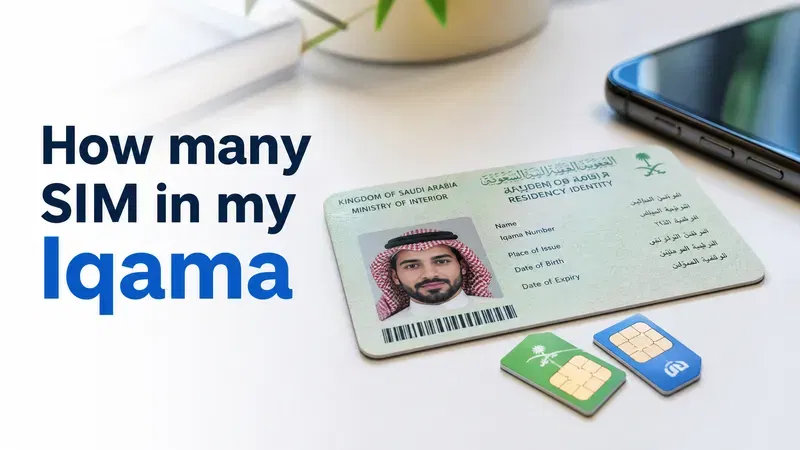
If you’re an expatriate living in Saudi Arabia, you can have a maximum of 2 SIM cards registered on your Iqama. This limit applies to both prepaid and postpaid connections and is enforced by the Communications, Space and Technology Commission (CST, formerly known as CITC). Saudi citizens, by contrast, are allowed up to 10 SIM cards, while visitors on temporary visas are restricted to just 1 SIM card. Check your visa status instantly with the Muqeem Visa Validity Check, the fastest way to verify your Saudi visa details, expiry date, and legal stay status online.
Iqama SIM Inquiry Tool
Official Database Verification System (Arqami)
Connecting to CST Secure Server…
✅ Privacy Scan Complete
Records found for Iqama:
| Telecom Provider | Mobile Number (Masked) | Current Status |
|---|---|---|
| STC Saudi | 05xxxx4412 | Active |
| Mobily | 05xxxx8901 | Active |
To view full unmasked numbers or cancel unauthorized SIMs:
Perform Official Deep VerificationUnderstanding this limit is crucial for staying compliant with Saudi telecommunications regulations, as exceeding it can result in substantial fines, service suspension, or even deportation for expatriates. This comprehensive guide will walk you through everything you need to know about SIM card limits on your Iqama, how to check your registered SIMs, and what to do if you find unauthorized cards linked to your identity.
Understanding Iqama and SIM Card Registration
The Iqama is an official residency permit issued by the Saudi Arabian government that allows foreign nationals to live and work in the Kingdom. Every expatriate working or residing in Saudi Arabia must obtain an Iqama, which serves as their primary identity document for all official transactions, including mobile phone registration.
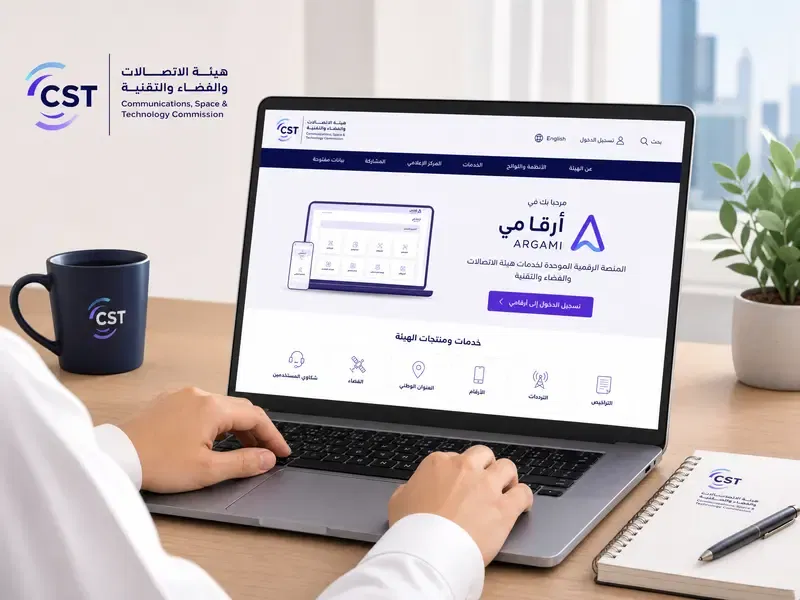
The CST, Saudi Arabia's telecommunications regulator, has implemented strict SIM card registration limits as part of a broader security initiative to combat terrorism, prevent fraud, and maintain national security. These regulations were introduced to eliminate illegal and unregistered SIM cards that could be used for illicit activities. Since their implementation, the CST has successfully deactivated over 2.3 million unregistered SIM cards and processed more than 15,000 violations through the legal system, collecting approximately SAR 180 million in fines.
The connection between your Iqama and SIM card registration is fundamental to Saudi Arabia's telecommunications infrastructure. Every mobile phone number is linked to the identity of the person who registered it, whether that person is a Saudi citizen identified by their National ID (Huwiyya) or an expatriate identified by their Iqama number. This system ensures accountability and makes it possible for authorities to track and investigate misuse of mobile services.
Official SIM Card Limits by Category (2026)
The CST has established different SIM card limits based on residency status and category. Understanding which category applies to you is essential for compliance.
| Category | Maximum SIM Cards | Prepaid Limit | Postpaid Limit | Notes |
| Saudi Citizens | 10 total | 10 | No separate limit | Across all operators |
| Expatriates (Iqama) | 2 total | 2 | No separate limit | Valid Iqama required |
| Visitors (Tourist/Business Visa) | 1 total | 1 | N/A | Valid for visa duration |
| Domestic Workers | 2 total | 2 | No separate limit | Sponsored by employer |
| Business Entities | Variable | Based on CR | Based on CR | Commercial Registration required |
For Saudi Citizens
Saudi citizens enjoy the highest SIM card allowance, with permission to register up to 10 SIM cards total across all telecommunications operators in the Kingdom. This generous limit reflects the government's recognition that citizens may have legitimate reasons for multiple connections, such as business operations, family communications, or data services. Citizens must provide their National ID (Huwiyya) and undergo biometric verification, including fingerprint scanning and facial recognition at authorized outlets.
For Expatriates (Iqama Holders)
Expatriates holding a valid Iqama are limited to a maximum of 2 SIM cards, regardless of whether they are prepaid or postpaid connections. This restriction is significantly more stringent than the limit for citizens and reflects the regulatory approach of monitoring foreign residents' communications more closely. The 2-SIM limit applies to all expatriates, including skilled workers, business professionals, domestic workers, and family members of sponsored individuals.
For Visitors
Individuals entering Saudi Arabia on temporary visit visas (tourist or business visas) are permitted to register only 1 SIM card, and its validity is tied to the duration of their visa. If a visitor extends their visa, they can request an extension of their SIM card validity. This limitation ensures that temporary residents maintain minimal connectivity while in the Kingdom.
For Business Entities
Commercial establishments with valid Commercial Registration (CR) certificates may apply for additional SIM cards beyond individual limits. Small businesses can typically obtain up to 5 additional SIMs, medium enterprises up to 15, and large corporations may receive custom allocations based on their specific operational needs. These business SIMs are tracked separately through a dedicated corporate portal managed by the CST.
Prepaid vs Postpaid SIM Cards: Understanding the Difference
A common source of confusion among expatriates is whether prepaid and postpaid SIM cards are counted separately toward the 2-SIM limit on an Iqama. The answer is straightforward: both prepaid and postpaid SIM cards count toward your total limit.
Prepaid SIM cards require you to purchase credit in advance before using voice, SMS, or data services. You pay upfront for a specific amount of talk time, messages, or data, and once that credit is exhausted, you must purchase more. Prepaid SIMs are popular among users who want to control their spending and avoid monthly bills. In Saudi Arabia, the CST strictly limits expatriates to 2 prepaid SIM cards maximum.
Postpaid SIM cards, by contrast, operate on a monthly billing cycle. You use the services throughout the month and receive an invoice at the end of the billing period for the services you consumed or for a fixed plan you subscribed to. Postpaid connections typically offer more features, better rates for heavy users, and the convenience of automatic bill payment through bank accounts. Historically, there was less stringent regulation of postpaid SIMs compared to prepaid cards, but current regulations treat both equally when counting toward your total limit.
E-SIM technology, which allows you to store multiple phone numbers digitally on a single device without physical SIM cards, also counts toward your limit. If you have an E-SIM and a physical SIM on the same device, both count as separate SIM cards for regulatory purposes. Similarly, data-only SIM cards used for internet connectivity on tablets or mobile hotspots are subject to the same limits as voice SIM cards.
How to Check SIM Cards Registered on Your Iqama
Regularly checking which SIM cards are registered under your Iqama is essential for ensuring compliance and detecting any unauthorized registrations. The CST and related government agencies provide multiple methods for expatriates to verify their SIM card registrations.
Method 1: Using the CST Portal (Argami)
The CST operates an official online portal called Argami that allows individuals to inquire about SIM cards registered under their identity. This is the most direct and official method of checking your SIM registrations.
Step-by-step process:
- Open your web browser and navigate to https://arqami.citc.gov.sa/
- Select your preferred language (English or Arabic )
- Choose "Inquiry" and then select "Individual" as your inquiry type
- Enter your Iqama number in the designated field
- Provide your date of birth in the format requested
- If you have a registered mobile number linked to your Iqama, enter it; otherwise, select the option "I do not have a registered mobile number"
- Click "Submit" and you will receive an OTP (One-Time Password) on your registered mobile number
- Enter the OTP in the verification field
- Click "Inquiry" to view all SIM cards registered under your Iqama
Method 2: Checking Through Absher Portal
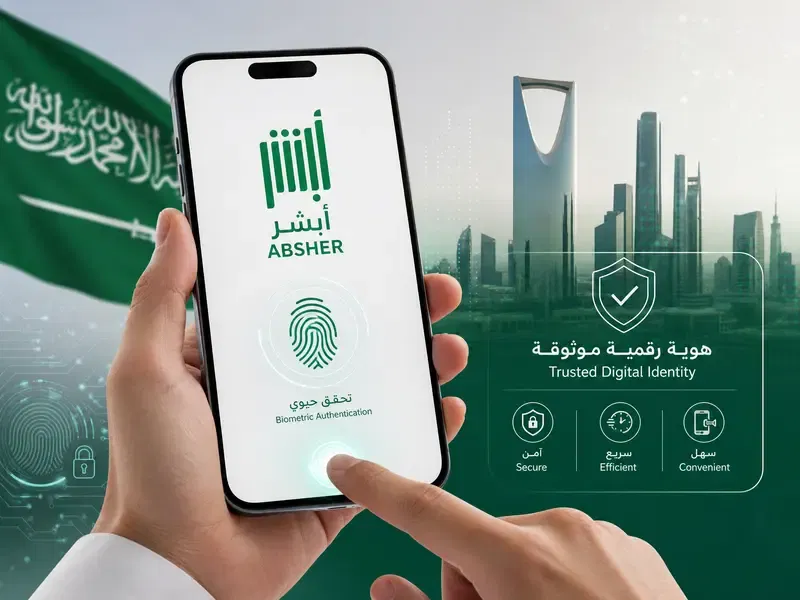
Absher is Saudi Arabia's unified government services portal that provides access to numerous government services, including SIM card inquiries. Many expatriates already have Absher accounts for other purposes such as visa management and labor-related services.
Steps to check SIM cards via Absher:
- Visit and log in using your Iqama number and Absher password
- Complete the two-factor authentication by entering the OTP sent to your registered mobile number
- Navigate to "My Services" and look for the CST or telecommunications section
- Select "Query SIM Cards" or "Inquire About My Numbers"
- The system will display all SIM cards registered under your Iqama
Method 3: Using the Tawakkalna Application
Tawakkalna is a mobile application that provides access to various government services and health-related information. Recent updates have added the ability to check SIM card registrations directly through the app.
To check via Tawakkalna:
- Download the Tawakkalna app from the Apple App Store or Google Play Store
- Log in using your Iqama number and Absher credentials
- Navigate to the services section and look for "CST Services" or "Telecommunications"
- Select "Check My SIM Cards" or similar option
- The app will display your registered SIM cards
Method 4: SMS Inquiry Codes
Each major telecommunications operator in Saudi Arabia provides SMS-based inquiry services that allow you to check SIM cards registered under your Iqama. This method works even if you don't have internet access.
SMS codes for each operator:
- STC (Saudi Telecom Company ): Send "9988" to 902
- Mobily (Etihad Etisalat): Send a blank SMS to 616166
- Zain Saudi Arabia: Send a blank SMS to 700123
- Virgin Mobile: Send a blank SMS to 1789
Method 5: National Portal Inquiry
The National Portal also provides a service called "Inquire About My Numbers" that allows you to check SIM registrations.
Process:
- Visit https://my.gov.sa/en/services/25757
- Click "Start Service"
- Define your inquiry category (Individual or Commercial )
- Enter your ID or Iqama number
- Provide your registered mobile number
- Complete OTP verification
- View your registered SIM cards
Major Telecommunications Operators in Saudi Arabia
Saudi Arabia's telecommunications sector is dominated by three major operators and several smaller providers. Understanding which operators serve the Kingdom will help you manage your SIM cards more effectively.
| Operator | Full Name | Market Share | Network Type | Website |
| STC | Saudi Telecom Company | 45% | 4G/5G | www.stc.com.sa |
| Mobily | Etihad Etisalat | 28% | 4G/5G | www.mobily.com.sa |
| Zain | Zain Saudi Arabia | 22% | 4G/5G | www.zain.sa |
| Virgin Mobile | Virgin Mobile Saudi | 3% | MVNO | www.virginmobile.com.sa |
| Lebara | Lebara Saudi | 2% | MVNO | www.lebara.sa |
STC (Saudi Telecom Company) is the largest and oldest telecommunications provider in Saudi Arabia, commanding approximately 45% of the market share. STC offers comprehensive 4G and 5G services, along with fixed-line internet and television services. As the market leader, STC has the most extensive network coverage across the Kingdom.
Mobily (Etihad Etisalat) is the second-largest operator with roughly 28% market share. Mobily provides competitive 4G/5G services and is known for competitive pricing and customer service. Many expatriates choose Mobily as their primary or secondary provider.
Zain Saudi Arabia holds approximately 22% of the market and offers 4G/5G services with a focus on data-heavy users and business customers. Zain is particularly popular among expatriate communities in major cities.
Virgin Mobile Saudi and Lebara Saudi are Mobile Virtual Network Operators (MVNOs) that operate on the networks of larger carriers but offer alternative pricing and service packages. These smaller providers account for about 5% of the combined market share.
Registration Requirements for SIM Cards
Different categories of individuals have different registration requirements when obtaining a new SIM card or verifying existing registrations.
For Saudi Citizens
Saudi citizens must provide their National ID (Huwiyya) and undergo biometric verification at authorized telecommunications outlets. The verification process typically includes fingerprint scanning and, at select locations, facial recognition technology. Citizens must also have an active Absher account for authentication purposes. The entire registration process usually takes 15-30 minutes at an authorized outlet.
For Expatriates
Expatriates registering a new SIM card must present their valid Iqama along with their passport. The registration process requires biometric verification, including fingerprint scanning, and authentication through the Absher portal. In some cases, particularly for sponsored workers, employer approval may be required. The CST's automated system cross-references the Iqama with government databases to verify the individual's legal status in the Kingdom.
For Visitors
Visitors on temporary visas must present their valid passport and entry visa documentation. The registration process is simplified compared to permanent residents, and the SIM card validity is automatically tied to the visa expiration date. Visitors cannot extend their SIM card validity unless they extend their visa first.
Penalties and Violations for SIM Card Violations
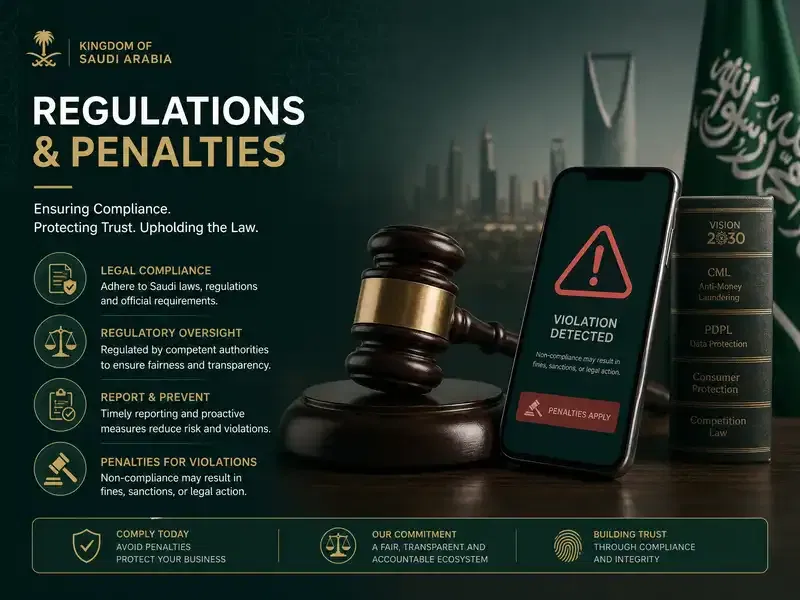
The CST enforces strict penalties for violations of SIM card registration regulations. Understanding these penalties underscores the importance of compliance.
| Violation Type | Fine Range (SAR) | Additional Penalties | Severity |
| Exceeding SIM limit | 10,000 – 50,000 | SIM deactivation | High |
| Using fake documents | 50,000 – 100,000 | Deportation (expats) | Critical |
| SIM card trafficking | 100,000 – 500,000 | Imprisonment up to 1 year | Critical |
| Registering SIMs for others | 50,000 – 100,000 | Criminal prosecution | Critical |
| Operating unregistered SIM | 10,000 – 20,000 | Service termination | High |
Exceeding the SIM limit is the most common violation among expatriates. If authorities discover that you have more than 2 SIM cards registered on your Iqama, you face fines ranging from SAR 10,000 to SAR 50,000, and the excess SIM cards will be deactivated.
Using fake or fraudulent documents to register SIM cards is treated as a serious crime, with fines between SAR 50,000 and SAR 100,000. For expatriates, this violation can result in deportation and permanent bans from re-entering Saudi Arabia.
SIM card trafficking — the practice of registering SIM cards under false identities or for the purpose of reselling them — carries the most severe penalties, including fines up to SAR 500,000 and imprisonment for up to one year.
Registering SIM cards for other people using their identity documents without authorization is illegal and can result in fines between SAR 50,000 and SAR 100,000, along with criminal prosecution.
Operating unregistered or illegally obtained SIM cards results in fines of SAR 10,000 to SAR 20,000 and immediate service termination.
Recent enforcement statistics demonstrate the CST's commitment to compliance. In 2024-2025 alone, the CST deactivated over 2.3 million unregistered SIM cards, processed more than 15,000 violations through the legal system, and collected approximately SAR 180 million in fines. These numbers illustrate that the CST actively monitors SIM registrations and takes enforcement seriously.
How to Cancel or Remove SIM Cards from Your Iqama
If you have SIM cards you no longer use or if you discover unauthorized SIM cards registered under your Iqama, you can cancel or report them through several methods.
Canceling Your Own SIM Cards
Online cancellation through your service provider's app or website is the quickest method. Most major operators (STC, Mobily, Zain) allow customers to request SIM cancellation through their mobile apps or online portals. The process typically takes 24-48 hours to complete.
In-store cancellation requires you to visit an authorized outlet of your service provider with your Iqama and passport. Staff will verify your identity and process the cancellation immediately. This method is useful if you prefer face-to-face confirmation or if you need to cancel multiple SIM cards at once.
Phone-based cancellation is available through customer service hotlines. You can call your service provider's customer service number, provide your Iqama and SIM card details, and request cancellation. The operator will verify your identity and process your request.
Reporting Unauthorized SIM Cards
If you discover SIM cards registered under your Iqama that you did not authorize, you should report them immediately to avoid legal complications and potential misuse of your identity.
Report through the CST portal by submitting a complaint at https://arqami.citc.gov.sa/. Provide details of the unauthorized SIM card, including the phone number, operator, and registration date if available.
Report to your service provider by contacting their customer service department and explaining that unauthorized SIM cards have been registered under your Iqama. Provide the phone numbers and request immediate cancellation and investigation.
File a formal complaint with the CST by visiting their offices or submitting a complaint through their official website. Include your Iqama number, passport number, details of the unauthorized SIMs, and any relevant documentation.
According to CST guidelines, unauthorized SIM cards are typically removed within 48 hours of a formal complaint. However, it's advisable to follow up to ensure the SIM cards have been deactivated.
Special Cases and Exceptions
Certain categories of individuals may have special circumstances or exceptions to the standard 2-SIM limit for expatriates.
Business Owners and Entrepreneurs
Individuals with valid Commercial Registration (CR ) certificates can apply for additional SIM cards beyond the standard expatriate limit. Small business owners can typically obtain up to 5 additional SIM cards, medium enterprises up to 15, and large corporations receive custom allocations based on their operational requirements. These business SIM cards are tracked separately and must be registered under the business entity's CR number rather than the individual's Iqama.
Dual Nationality Holders
Individuals holding both Saudi citizenship and another nationality must use their Saudi National ID for SIM registration and follow the citizen guidelines, which allow up to 10 SIM cards. The CST's system automatically recognizes dual nationals as Saudi citizens based on their National ID and applies the higher limit.
Dependent Family Members
Each family member (spouse, children, parents) with valid residency documents can register SIM cards under their own name, subject to the 2-SIM limit for expatriates. A spouse on a dependent visa can register their own 2 SIM cards independently of the sponsor's allocation. Similarly, adult children with their own Iqama numbers can each register 2 SIM cards.
Iqama Renewal and SIM Validity
When your Iqama expires and you renew it, your existing SIM cards remain valid as long as your new Iqama is issued. However, if there is a gap between your old Iqama expiration and your new Iqama issuance, your SIM cards may be temporarily suspended. It's advisable to renew your Iqama before it expires to avoid service interruptions.
Recent Policy Updates and Changes for 2026
The CST continues to evolve its regulations and technology to enhance security and compliance monitoring.
E-SIM Integration
All major telecommunications operators in Saudi Arabia now support E-SIM technology, which allows customers to activate multiple phone numbers on a single device without physical SIM cards. E-SIM registrations count toward your total SIM limit, so if you have one physical SIM and one E-SIM, you have used your full 2-SIM allocation as an expatriate.
Enhanced Biometric Verification
Facial recognition technology is now mandatory for new SIM registrations at select locations, in addition to traditional fingerprint scanning. This enhancement aims to prevent identity fraud and ensure that only authorized individuals can register SIM cards under specific identity documents.
Real-Time Monitoring System
The CST has implemented an automated real-time monitoring system that tracks SIM registrations across all operators instantaneously. This system can detect when an individual exceeds their SIM limit immediately upon registration, allowing for faster enforcement action.
Extended Visitor SIM Validity
Visitor SIM card validity has been extended to match the full duration of the visa, rather than being limited to 90 days as was previously the case. Visitors can now maintain continuous connectivity throughout their stay without needing to renew their SIM card mid-visit.
Corporate SIM Tracking Portal
A new dedicated portal has been launched for businesses to manage and track their corporate SIM allocations. This portal allows business administrators to view all SIM cards registered under their Commercial Registration, monitor usage, and request additional allocations if needed.
Troubleshooting Common Issues
Expatriates sometimes encounter problems when checking their SIM registrations or managing their SIM cards. Here are solutions to common issues.
Problem: Cannot access the CITC portal
If you're unable to access https://arqami.citc.gov.sa/, try clearing your browser cache and cookies, or use a different browser. Ensure that your internet connection is stable. If the problem persists, try accessing the portal during off-peak hours, as the system may experience high traffic during peak times.
Problem: Not receiving OTP for verification
If you're not receiving the One-Time Password (OTP ) for portal verification, ensure that your mobile number is correctly registered with your Iqama. Contact your service provider to verify that your number is active and capable of receiving SMS messages. If you have recently changed your phone number, you may need to update it with the government first through Absher.
Problem: Iqama expired, SIM status unclear
If your Iqama has expired, your SIM cards may be suspended. Renew your Iqama as soon as possible through the MOL (Ministry of Labor) or Jawazat (General Directorate of Passports) website. Once your new Iqama is issued, your SIM cards should automatically reactivate within 24-48 hours.
Problem: Found unauthorized SIM cards on your Iqama
If you discover SIM cards registered under your Iqama that you did not authorize, report them immediately through the CST portal or by visiting a service provider outlet. Provide as much detail as possible, including the phone numbers and operators. The CST typically removes unauthorized SIM cards within 48 hours of a complaint.
Problem: Cannot cancel a SIM card online
If the online cancellation process is not working, visit an authorized outlet of your service provider in person with your Iqama and passport. Staff can process the cancellation immediately. Alternatively, call the provider's customer service hotline and request cancellation over the phone.
FAQs How Many Sim In My Iqama
Q: Can I register a SIM card for my family member?
A: No. Each individual must register SIM cards under their own identity documents. Registering a SIM card for another person using their identity without authorization is illegal and can result in fines and criminal prosecution. However, each family member with their own valid Iqama can independently register up to 2 SIM cards.
Q: What happens if my Iqama expires while I have SIM cards registered?
A: Your SIM cards may be suspended when your Iqama expires. Renew your Iqama promptly through the MOL or Jawazat website. Once your new Iqama is issued, your SIM cards should automatically reactivate within 24-48 hours. If they don't reactivate, contact your service provider for assistance.
Q: Can I extend my SIM card validity if I'm a visitor?
A: Yes. Visitor SIM card validity is tied to your visa duration. If you extend your visa, you can request an extension of your SIM card validity through your service provider. The extension process typically takes 24-48 hours.
Q: How do I cancel a SIM card registered on my Iqama?
A: You can cancel a SIM card through your service provider's mobile app, online portal, by visiting an authorized outlet in person, or by calling customer service. The cancellation process typically takes 24-48 hours to complete, and the SIM card will be removed from your Iqama registration.
Q: Are prepaid and postpaid SIM cards counted separately toward my limit?
A: No. Both prepaid and postpaid SIM cards count toward your total 2-SIM limit as an expatriate. If you have one prepaid and one postpaid SIM, you have used your full allocation.
Q: Can I have multiple SIM cards from the same operator?
A: Yes. You can have up to 2 SIM cards from the same operator, or you can split them between different operators. For example, you could have 2 SIM cards from STC, or 1 from STC and 1 from Mobily. The total limit remains 2 regardless of how you distribute them.
Q: What if I find unauthorized SIM cards on my Iqama?
A: Report them immediately to the CST through their portal at https://arqami.citc.gov.sa/ or contact your service provider. Provide the phone numbers and any available details. The CST typically removes unauthorized SIM cards within 48 hours of a complaint. Filing a report protects you from potential liability for misuse of those numbers.
Q: How long does it take to cancel a SIM card?
A: The cancellation process typically takes 24-48 hours. If you cancel in person at a service provider outlet, you may receive immediate confirmation, but the SIM card will be fully deactivated within 24-48 hours. Online and phone-based cancellations take the full 24-48 hours.
Q: Can I transfer my SIM card to another Iqama?
A: No. SIM cards are registered to a specific Iqama number and cannot be transferred to another Iqama. If you need to transfer service to a new Iqama (for example, if you change sponsors ), you would need to cancel the existing SIM and register a new one under your new Iqama.
Q: What about E-SIM cards? Do they count toward my limit?
A: Yes. E-SIM registrations count toward your total 2-SIM limit as an expatriate. If you have one physical SIM and one E-SIM, you have used your full allocation.
Conclusion how many sim in my iqama
Understanding and complying with Saudi Arabia's SIM card regulations is essential for all expatriates living and working in the Kingdom. The 2-SIM limit for Iqama holders is a clear, enforceable regulation with significant penalties for violations. By regularly checking your registered SIM cards through the CST portal, Absher, or other available methods, you can ensure compliance and protect yourself from unauthorized use of your identity.